Dead Branch Removal in Allentown, PA
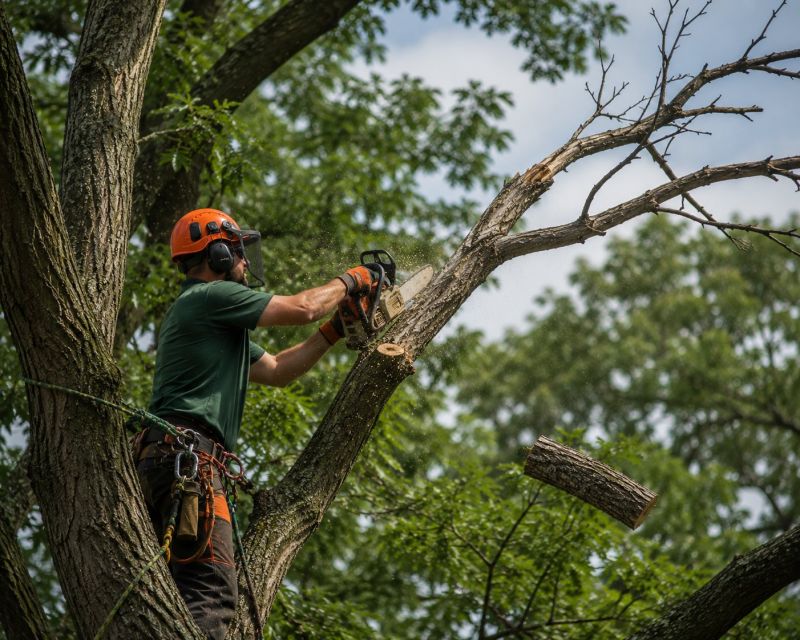
Dead branch removal services focus on safely removing dead or damaged limbs from trees to maintain the health and appearance of the landscape. This type of work typically involves trimming or pruning specific branches that pose a risk of falling or causing damage to property, such as roofs, power lines, or vehicles. Property owners often request dead branch removal to prevent accidents, improve tree health, or prepare trees for storms, ensuring safety and aesthetic appeal without altering the overall structure of the tree.
Before requesting dead branch removal, homeowners usually want to understand which branches are affected and how the removal process might impact the tree’s growth. It is also common to inquire about the best timing for pruning and whether the work will be done with minimal disruption to the surrounding landscape. Clear communication about the scope of the project helps property owners make informed decisions and ensures the work aligns with their maintenance goals.
Many property owners in Allentown, PA look into Dead Branch Removal for repairs, replacements, upgrades, and appearance-related improvements.
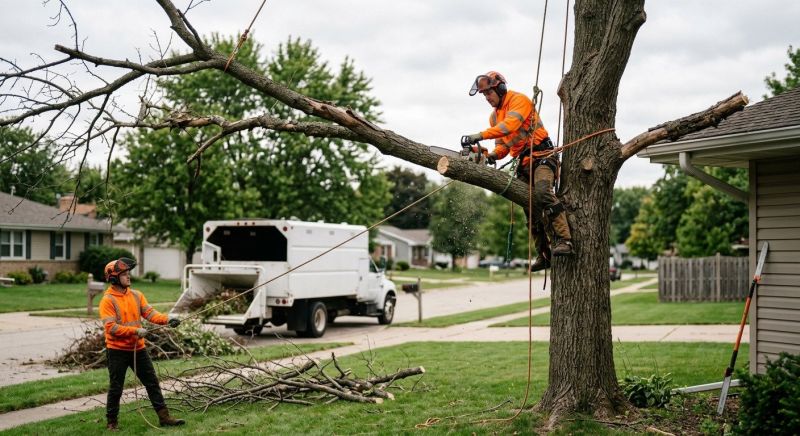
Safety And Property Protection
Removing dead branches helps prevent damage to trees, structures, and people during storms.
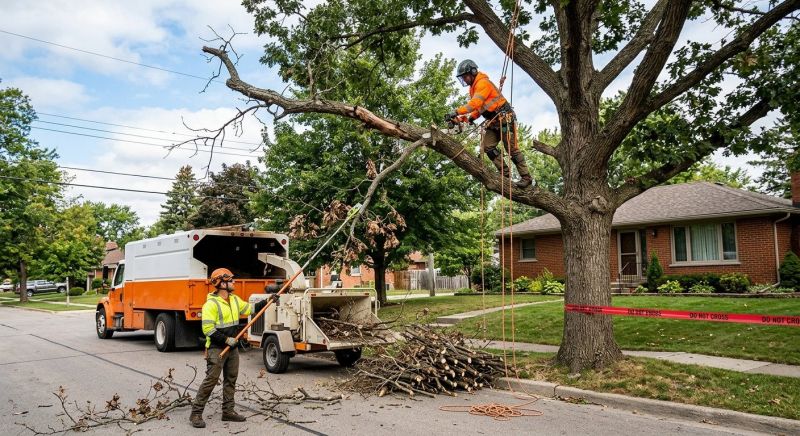
Tree Health And Maintenance
Pruning dead branches promotes healthier tree growth and reduces the risk of disease.
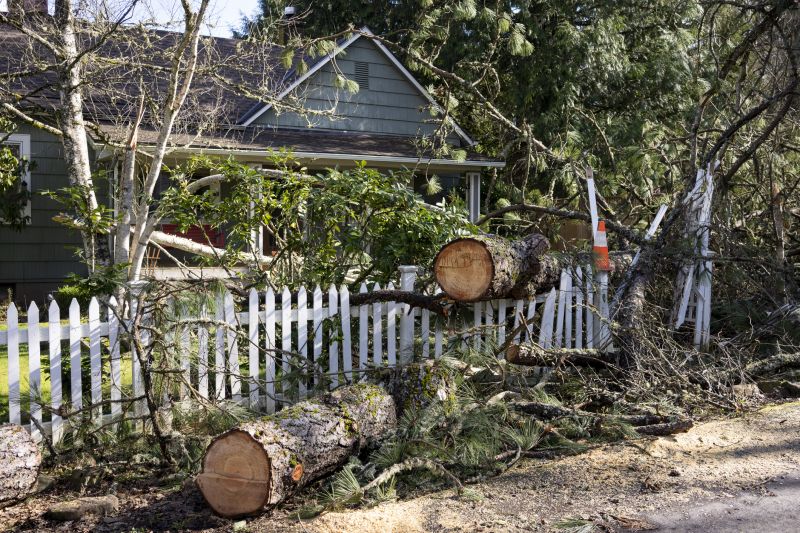
Aesthetic Improvement
Removing dead or broken branches enhances the appearance of trees and overall landscape appeal in allentown.
Dead Branch Removal in Allentown, PA
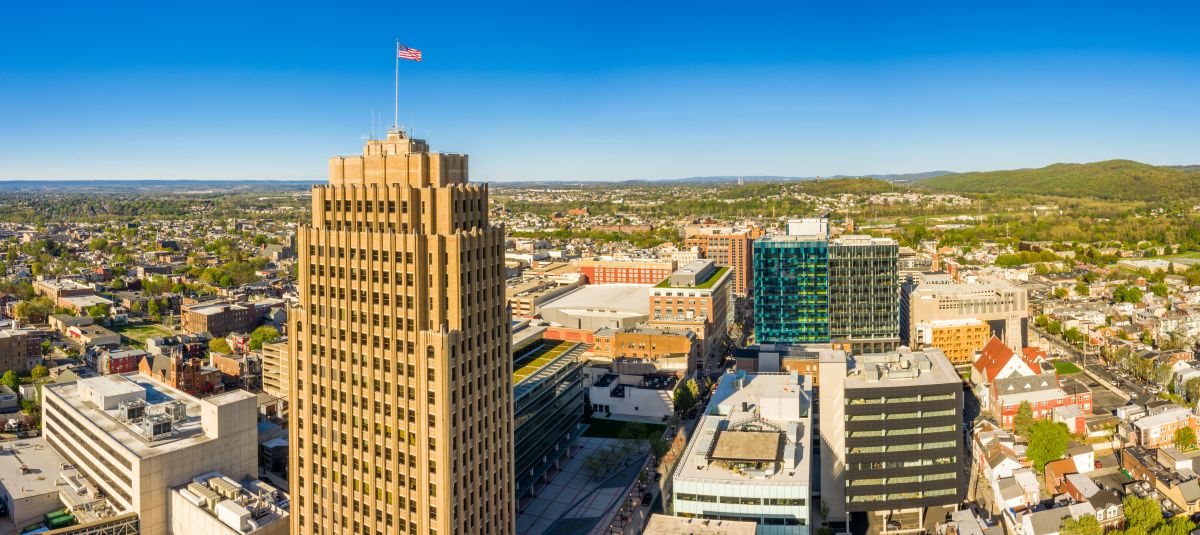
Dead branch removal services focus on safely removing dead or damaged limbs from trees to maintain the health and appearance of the landscape. This type of work typically involves trimming or pruning specific branches that pose a risk of falling or causing damage to property, such as roofs, power lines, or vehicles. Property owners often request dead branch removal to prevent accidents, improve tree health, or prepare trees for storms, ensuring safety and aesthetic appeal without altering the overall structure of the tree.
Before requesting dead branch removal, homeowners usually want to understand which branches are affected and how the removal process might impact the tree’s growth. It is also common to inquire about the best timing for pruning and whether the work will be done with minimal disruption to the surrounding landscape. Clear communication about the scope of the project helps property owners make informed decisions and ensures the work aligns with their maintenance goals.
Many property owners in Allentown, PA look into Dead Branch Removal for repairs, replacements, upgrades, and appearance-related improvements.
Common Dead Branch Removal Jobs
Dead Branch Removal - safely eliminates dead or damaged branches to prevent potential hazards.
Tree Health Maintenance - removes dead wood to promote overall tree vitality and growth.
Property Safety - reduces the risk of falling branches causing damage or injury.
Landscape Enhancement - improves the appearance and structure of trees and surrounding property.
Storm Damage Prevention - clears dead branches that could break during severe weather events.
Risk Reduction - minimizes the chance of branch failure that can lead to property or personal harm.
Dead Branch Removal Questions
Why should dead branches be removed? Removing dead branches helps prevent potential damage to property and reduces the risk of falling limbs that could cause injury.
What signs indicate a branch is dead? Branches that are brittle, have no leaves during the growing season, or show signs of decay are typically dead and may need removal.
Is dead branch removal necessary for tree health? Yes, removing dead branches promotes overall tree health by preventing decay and encouraging new growth.
How does dead branch removal improve property safety? Clearing dead branches reduces the chance of limbs falling unexpectedly, helping to keep the area safe for residents and visitors.
Request Dead Branch Removal in Allentown, PA
Use the quote form on this page to share the basics of your project and request more information for the type of work you need.