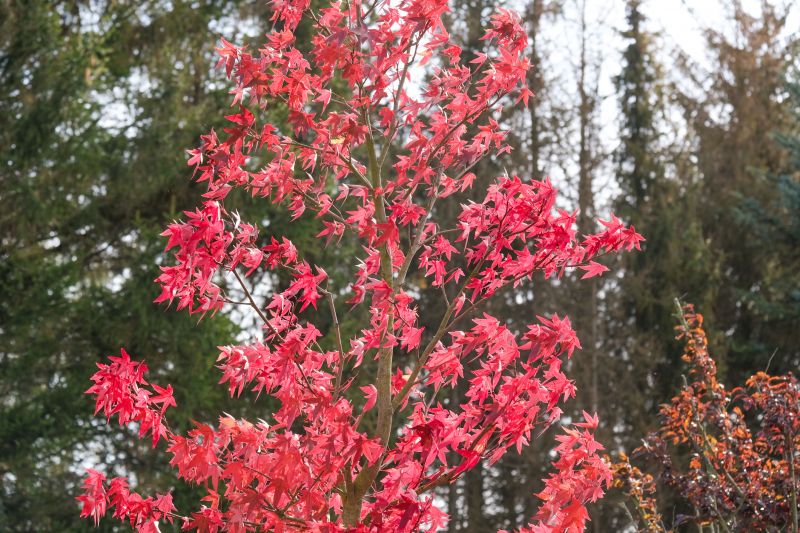
Japanese Maple Pruning in Pottstown, PA
Japanese Maple pruning services involve the careful trimming and shaping of Japanese Maple trees to promote healthy growth, enhance their natural form, and maintain their aesthetic appeal. These projects typically include removing dead or damaged branches, thinning dense foliage, and shaping the canopy to ensure proper light penetration and air circulation. Homeowners often request pruning to improve the tree’s overall appearance, prevent potential hazards from overgrown branches, or prepare the tree for seasonal changes, especially in yards where the tree serves as a focal point or landscape feature.
Before requesting Japanese Maple pruning, property owners should consider the tree’s age, overall health, and desired outcome. It’s helpful to understand the best time of year for pruning, which generally depends on the tree’s growth cycle, and to clarify whether the goal is to maintain the tree’s natural shape or achieve a specific aesthetic. Proper pruning techniques can influence the tree’s future growth and health, making it important to communicate any concerns or preferences regarding the size, shape, or specific areas of the tree to ensure the project aligns with the property’s landscape goals.
Many property owners in Pottstown, PA look into Japanese Maple Pruning for repairs, replacements, upgrades, and appearance-related improvements.
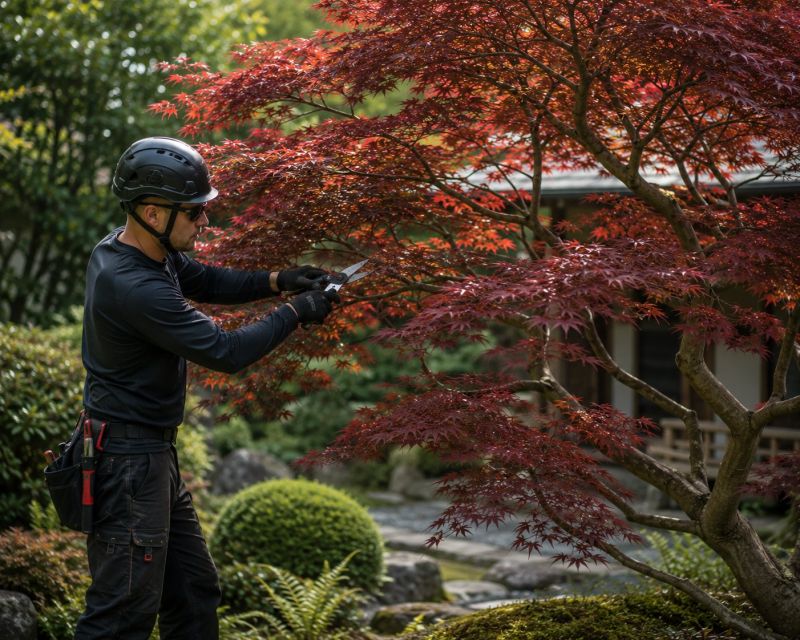
Shaping And Maintaining Shape
Pruning helps japanese maples develop a balanced and attractive form suitable for pottstown gardens.
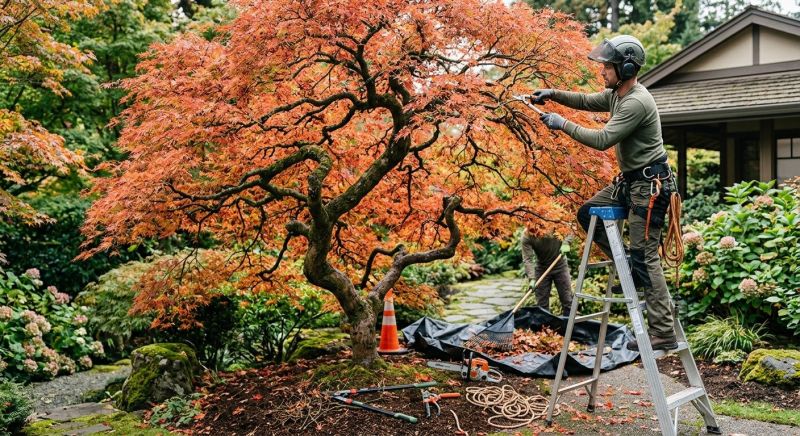
Health And Growth Enhancement
Proper trimming encourages healthy growth and reduces the risk of disease in japanese maples.
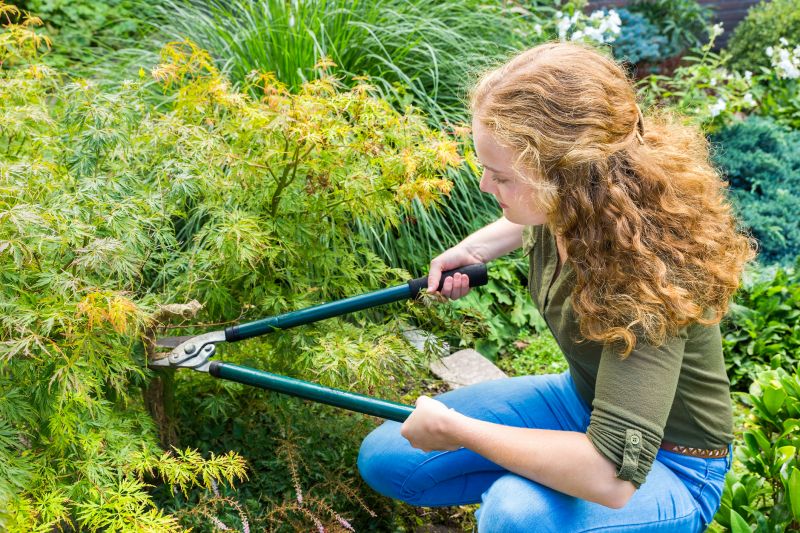
Safety And Clearance
Pruning removes dead or overhanging branches to ensure safety and clear pathways around property in pottstown.
Japanese Maple Pruning in Pottstown, PA
Japanese Maple pruning services involve the careful trimming and shaping of Japanese Maple trees to promote healthy growth, enhance their natural form, and maintain their aesthetic appeal. These projects typically include removing dead or damaged branches, thinning dense foliage, and shaping the canopy to ensure proper light penetration and air circulation. Homeowners often request pruning to improve the tree’s overall appearance, prevent potential hazards from overgrown branches, or prepare the tree for seasonal changes, especially in yards where the tree serves as a focal point or landscape feature.
Before requesting Japanese Maple pruning, property owners should consider the tree’s age, overall health, and desired outcome. It’s helpful to understand the best time of year for pruning, which generally depends on the tree’s growth cycle, and to clarify whether the goal is to maintain the tree’s natural shape or achieve a specific aesthetic. Proper pruning techniques can influence the tree’s future growth and health, making it important to communicate any concerns or preferences regarding the size, shape, or specific areas of the tree to ensure the project aligns with the property’s landscape goals.
Many property owners in Pottstown, PA look into Japanese Maple Pruning for repairs, replacements, upgrades, and appearance-related improvements.
Common Japanese Maple Pruning Jobs
Japanese Maple Pruning Services - Proper pruning enhances the tree’s shape and overall health.
Selective Trimming - Removing dead or damaged branches to promote growth and prevent disease.
Thinning - Reducing density to improve air circulation and sunlight penetration.
Structural Pruning - Shaping the tree to maintain stability and reduce risk of limb failure.
Seasonal Pruning - Timing trimming work to support healthy growth cycles and aesthetic appeal.
Overgrown Tree Management - Controlling size and spread for safety and landscape harmony.
Japanese Maple Pruning Questions
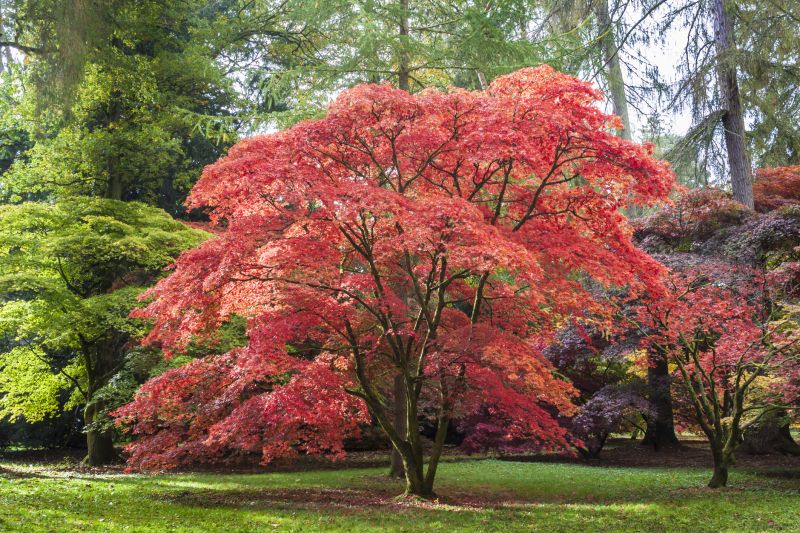
Why is pruning Japanese Maples important? Proper pruning helps maintain the tree’s shape, encourages healthy growth, and prevents branches from becoming too heavy or damaged.
When is the best time to prune a Japanese Maple? The ideal time is during late winter or early spring when the tree is dormant, promoting healthy development in the growing season.
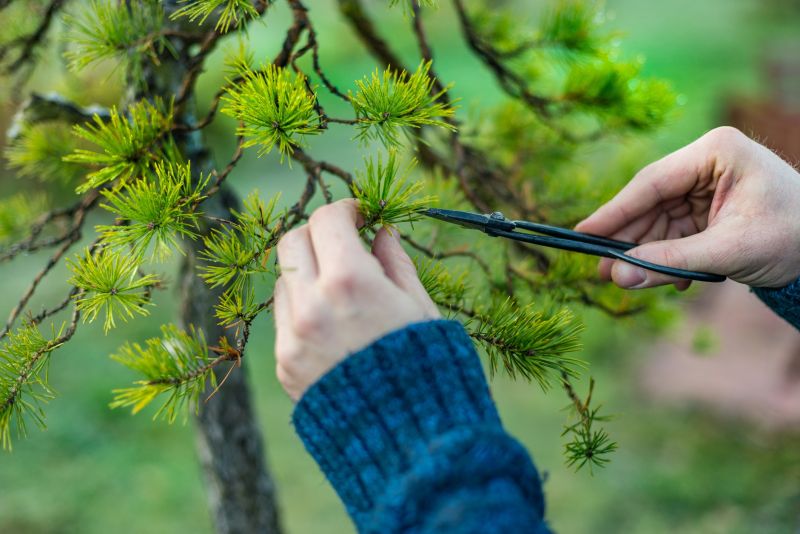
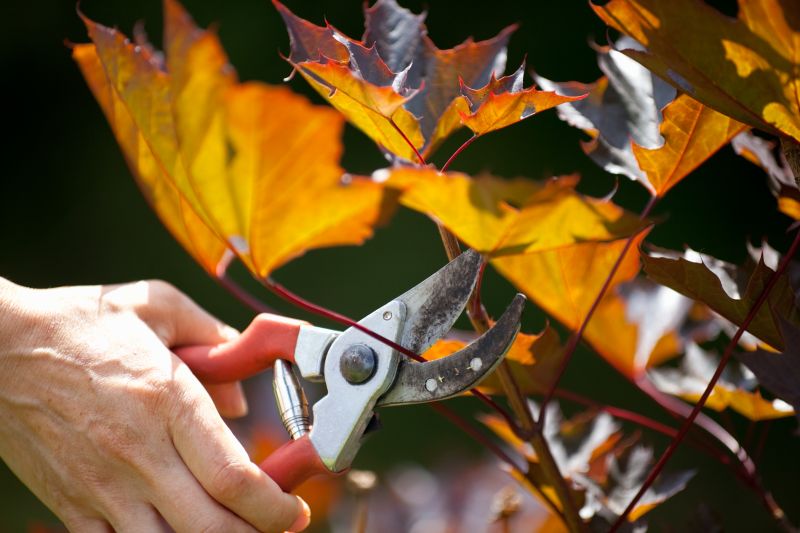
What pruning techniques are used for Japanese Maples? Techniques typically involve selective trimming of dead or crossing branches and thinning out dense areas to improve airflow and light.
Can pruning harm the appearance of my Japanese Maple? When done correctly, pruning enhances the tree’s natural form and overall aesthetic, helping it stay healthy and attractive.
Request Japanese Maple Pruning in Pottstown, PA
Use the quote form on this page to share the basics of your project and request more information for the type of work you need.